This site demonstrates one possible use of this domain. For acquisition, partnership, or investment inquiries, please contact us.
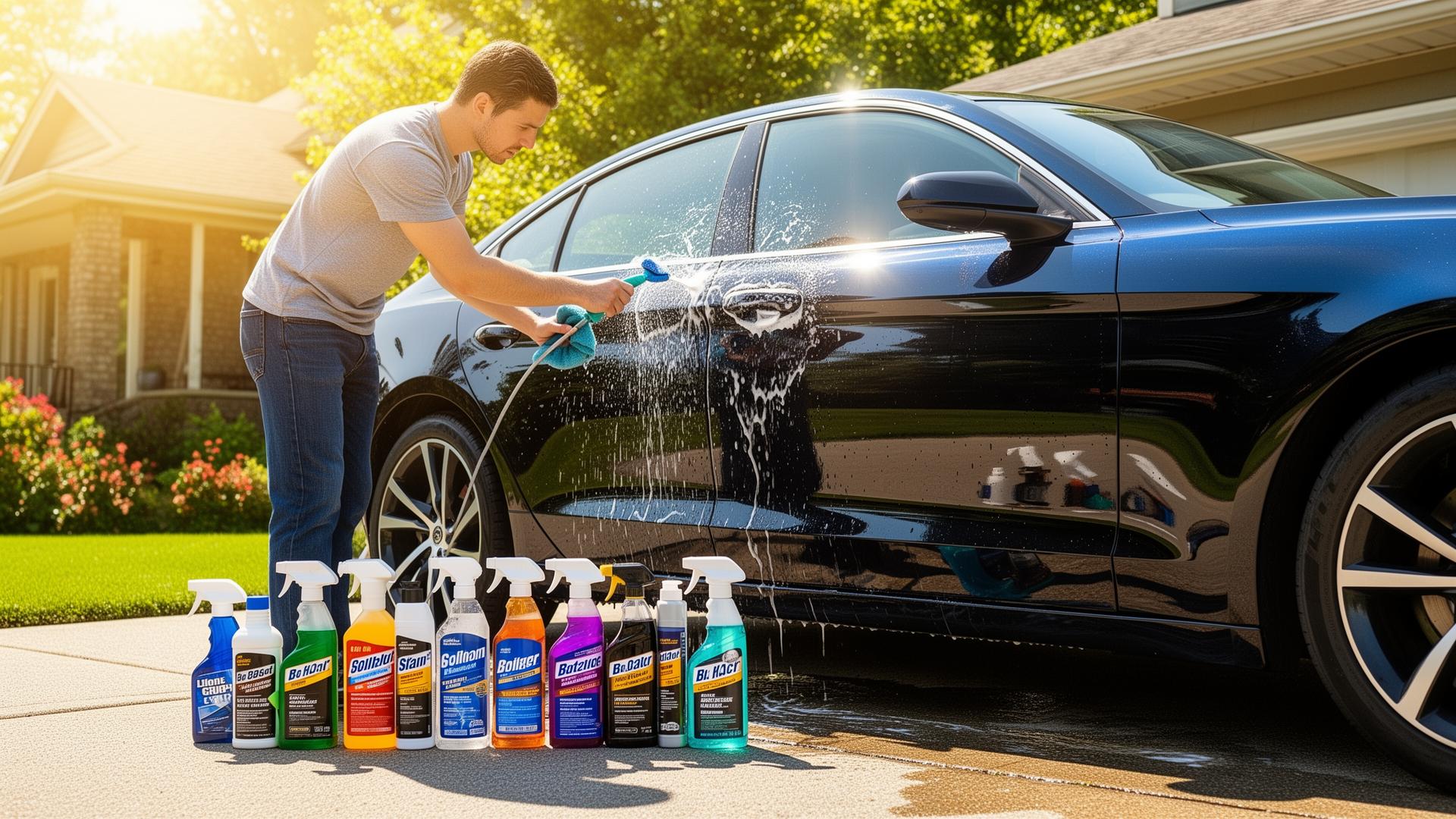
Car Care Tips
Expert advice for every car owner, from seasonal prep to money-saving strategies
The Single Best Thing You Can Do for Your Car This Month
If you do only one thing this month, check your tire pressures. Under-inflated tires are the #1 cause of premature tire wear, reduced fuel economy, and handling problems. Cold weather drops tire pressure by about 1 PSI for every 10°F drop in temperature. Grab a $10 gauge and spend 5 minutes — it could save you $200+ in tires and gas this year.

10 Signs Your Brakes Need Immediate Attention
Squealing, grinding, or a pulsating pedal — these warning signs tell you it's time to get your brakes checked before it becomes a dangerous situation.
How to Check and Top Off Every Fluid in Your Car
A comprehensive walkthrough of all the essential fluids your vehicle needs, where to find them, and how to tell when they need changing.

Winter Car Prep: The Complete Checklist
Before temperatures drop below freezing, run through these essential checks to make sure your vehicle is ready to handle ice, snow, and cold starts.

Understanding OBD-II Codes: What P0420 Really Means
The dreaded check engine light came on and your scanner shows P0420. Here's exactly what catalyst system efficiency below threshold means for your car.

Save $1,000+ Per Year on Car Maintenance: Smart DIY Tips
With the right tools and knowledge, you can handle most routine maintenance yourself. Here are the highest-value tasks every car owner should learn.

When to Replace Your Timing Belt vs. Timing Chain
Confused about whether your car has a timing belt or chain — and when it needs replacement? This guide breaks down the critical differences.

How to Properly Jump Start a Car (and Not Fry Your Electronics)
Modern cars have sophisticated electronics that can be damaged by improper jump starting. Follow these steps to safely get back on the road.
Spring Car Care Checklist: 12 Things to Do After Winter
Winter is hard on vehicles. Salt, cold, and moisture cause damage that you need to address before spring. Here's your complete checklist.

New Car Owner's Guide: What Dealers Won't Tell You
Buying a new car is exciting. But dealers often push unnecessary services and extended warranties. Here's what's actually worth it.
❓ Car Care FAQs
How often should I wash my car?
Wash your car every two weeks under normal conditions. If you drive on salted roads, near the coast, or on gravel, wash weekly. Always wash the undercarriage in winter to prevent salt corrosion.
What is the best way to protect my car's paint?
Apply a quality wax or ceramic coating every 3–6 months. Park in shade when possible. Paint protection film (PPF) on high-impact areas provides the most durable protection.
Should I warm up my car before driving in winter?
Modern fuel-injected cars only need 30–60 seconds of idling. Drive gently for the first 5–10 minutes to allow the engine and transmission to reach operating temperature.
How can I improve my car's fuel economy?
Keep tires inflated to the recommended PSI, use the recommended motor oil grade, replace clogged air filters, avoid aggressive driving, remove unnecessary weight, and use cruise control on the highway.
What seasonal car maintenance should I do?
Spring: wash undercarriage, check alignment. Summer: check AC, coolant. Fall: test battery, inspect brakes. Winter: check antifreeze, switch to winter tires if needed, keep fuel tank above half full.